The Cultural and Economic Phenomenon of Jueteng in the Philippines
An Insight into the Jueteng Enterprise
Jueteng is a numbers game illegal in the Philippines but has maintained a steady presence across the archipelago. Often seen as a deep-rooted cultural practice, jueteng has thrived thanks to a multi-layered mix of history, economics, and public tolerance. The game operates by drawing two numbers between 1 and 37, and bets are placed on predicted combinations. The allure for many lies in its promise of swift fortunes with relatively small bets.
Historical Background and Evolution of Jueteng
Tracing back to the Spanish colonial period, jueteng has embedded itself in the socio-economic fabric of Philippine society. Initially introduced as an amusement for the elite, the practice has spread wider among all social classes over the years, culminating in its transformed role today. Its persistence over centuries highlights the complex interweaving of tradition and illicit commerce.
The Structure and Operations of Jueteng
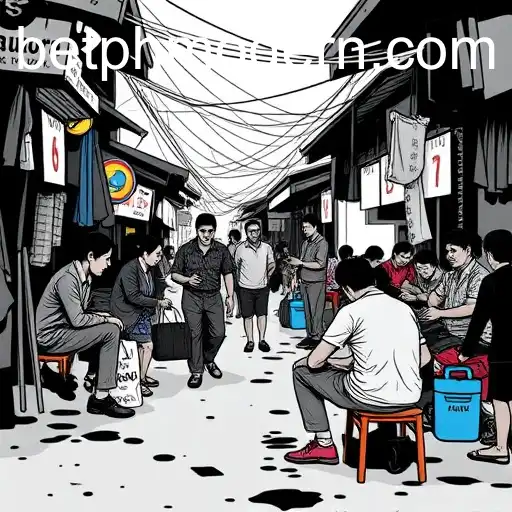
The operational structure of jueteng is hierarchical, consisting of coordinators, kubrador or collectors, and the jueteng lord. The coordinators handle logistics and strategy, while the kubrador collects bets from the players on the streets. At the top of the hierarchy, the jueteng lord oversees operations, often ensuring the continuation of jueteng through influential networks and sometimes political connections.
Cultural Significance and Public Perception
Jueteng's cultural significance goes beyond its status as merely a game of chance. For many in Philippine society, it represents hope, an opportunity to transcend economic barriers, albeit fleetingly. Particularly in rural areas, where economic opportunities may be limited, jueteng offers an alternative avenue for financial gain. Despite its illegality, public tolerance remains high, often grounded in socio-economic necessity and tradition.
Economic Impact and Contribution
Despite its underground status, jueteng has a notable impact on the local economy. The funds generated circulate within communities, often sustaining small businesses and providing employment. For families living below the poverty line, the game represents not just income potential but a community network that facilitates financial exchanges. However, these economic contributions come at a cost, as they sidestep formal economic systems and contribute nothing to public coffers.
Legal and Governmental Responses
Jueteng has long been a thorn in the side of the government, repeatedly eluding attempts at legal suppression. Various administrations have launched crackdowns, yet these actions often result only in temporary disruption. Some public officials allegedly protect jueteng operations due to its profitability and voter persuasion power during elections. Inconsistent enforcement and systemic corruption have marred governmental efforts to uproot the game entirely.
Jueteng and Social Inequality
The persistence of jueteng is intricately linked to the socio-economic inequalities prevalent in the Philippines. The game thrives in areas where poverty is rampant, and government services are lacking. Jueteng's existence highlights the disparities and inadequacies within society, where informal structures fill the void left by state reticence or incompetence in addressing basic needs.
Modern Outlook and the Digital Influence
Recent shifts towards modernization and technology in the Philippines have slowly begun influencing jueteng. The advent of mobile technology and digital platforms poses potential pathways for the game to evolve and adapt. PHMODERN initiatives aim to digitize traditional practices, opening discussions on whether jueteng can transition to legal avenues resembling the lottery game. Integrating technology could undermine traditional methods, yet simultaneously offer a means to bring the game into the light, subjecting it to regulation and taxation.
Societal and Cultural Perspectives in a Changing World
As the Philippines progresses, jueteng remains a cultural touchstone, reflective of societal structures. Addressing the root causes of its persistence requires broad institutional reform, tackling social disparities, and understanding cultural contexts. A national dialogue bringing together the voices of players, enforcers, and policy-makers could offer holistic solutions that address both the allure of jueteng and its socio-economic ramifications.